 Web HostingMost affordable shared hosting from TZS 9,100 per year
 Dedicated ServersExperience unmatched power and control with a physical server in Tanzania.
 WordPress HostingHigh-Speed, Tanzania-Optimized WordPress Hosting
 Windows HostingOptimized for Windows-based applications and websites
 cPanel HostingUser-friendly hosting powered by cPanel
 Email HostingProfessional Tanzanian email hosting for your .co.tz domain (Secure, reliable, and Swahili-supported)
 Reseller HostingLaunch your own hosting business with minimal technical requirements
 Affiliate ProgramEarn referral commissions by promoting our services
 DomainsFind and register available domain names in seconds
 Domain TransferMove your domain to us with zero downtime and full control
 .co.tzSecure the trusted .co.tz domain made for Tanzanian businesses.
 .tz DomainClaim the official .tz domain for national trust and recognition.
 .com DomainSecure the trusted .com domain for Tanzanian businesses.
 Supported Tlds (glTLDs and ccTLDs)Browse and register domain extensions from around the world
 Whois Lookup | Find Out Who Owns a DomainLook up domain ownership, expiry dates, and registrar information
 VPS
VPS VPS Hosting TanzaniaDedicated resources. Tanzanian performance. Full server control.
 Managed VPS TanzaniaNot a tech expert? Choose a managed Tanzania VPS.
 Website BuilderEasily build beautiful websites with drag-and-drop simplicity.
 Online ShopLaunch a professional e-commerce store without writing code.
 BlogFind latest business, marketing, and tutorials
 Contact UsContact Truehost TZ | 24/7 Web Hosting Support
Is your website losing visitors day by day? Don’t panic! The main culprit could be your web hosting, which may be causing slow-loading pages, unexpected crashes during peak traffic, and security issues, thus driving people away before they even see what you offer.
Often, not all web hosting works the same way, and choosing between shared hosting and VPS hosting can be confusing. A wrong choice could frustrate your visitors, slow your growth, and even cost you money.
For instance, shared hosting is easy to start with and budget-friendly, but it comes with limitations. On the other hand, VPS hosting provides more control and resources, but it can feel overwhelming if you are new to server management. So, knowing these differences is crucial before making a decision that could affect your website’s performance for months or even years.
In this guide, I’ll walk you through everything you need to know about shared hosting and VPS hosting. You’ll learn the advantages, disadvantages, and key differences of each, helping you make the right choice to keep your website fast, secure, and ready to grow.
What is Shared Hosting?

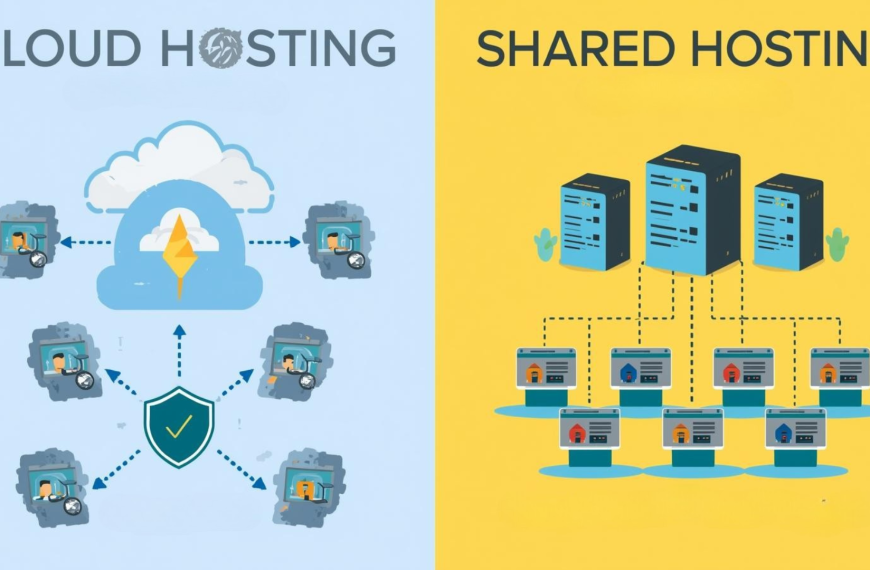
Shared hosting places your website on a server that hosts many other websites at the same time. All sites share the same physical resources like CPU, RAM, storage, and bandwidth.
Because of this shared demand, the cost is lower, which makes shared hosting an attractive starting point for small sites in Tanzania. Also, it’s simple to set up, managed by the hosting provider, and requires little technical skill.
However, it’s important to recognize what you’re getting and what you’re ready to sacrifice. So, let’s explore the big advantages and the key disadvantages of shared hosting compared with VPS hosting, so you can see clearly if it fits your needs.
Advantages of Shared Hosting over VPS Hosting
One of the biggest advantages of shared hosting is the cost. Because multiple websites share the same server, the hosting provider can spread expenses across many users. This makes shared hosting significantly cheaper than VPS hosting.
Shared hosting is also extremely easy to use. The hosting provider manages the technical side of things, including server updates, maintenance, and security patches. Thus, you don’t need advanced technical knowledge to get started, which makes it ideal for beginners or small business owners who want to focus on building their website rather than managing a server.
Finally, shared hosting works well for websites with low to moderate traffic. If your site only attracts a few hundred or a few thousand visitors per month, shared hosting can handle it without issues. This makes it a practical choice for small blogs, local business websites, or hobby projects that are just getting started.
Disadvantages of Shared Hosting Compared to VPS Hosting
A major drawback of shared hosting is limited resources. Since your website shares the server with many others, a sudden spike in traffic from another site can slow down your own. This is often called the “noisy neighbor” effect and can affect your site’s performance unpredictably.
Shared hosting also offers less control. You usually cannot change server-level settings, install custom software, or tweak configurations to suit your website’s specific needs. This limitation can be frustrating if your site requires advanced features or optimizations.
Moreover, scalability is another concern. If your website grows significantly, handling hundreds of thousands of visitors, running complex scripts, or managing an e-commerce store, shared hosting may struggle to keep up. At that point, moving to VPS or another more powerful solution becomes necessary.
Finally, there are potential security risks on shared hosting. This mainly happens because multiple sites share the same server, where a security breach or misconfiguration on one website can potentially affect others.
What is VPS Hosting?
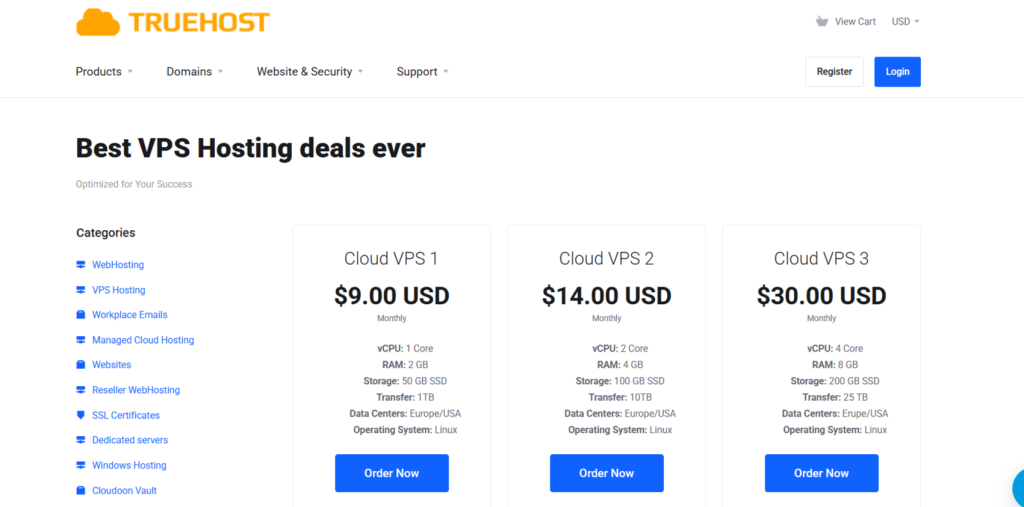
VPS hosting, or Virtual Private Server hosting, gives your website a dedicated portion of a server. Unlike shared hosting, where resources are shared among many sites, VPS provides guaranteed CPU, memory, and storage for your site.
This means your website can perform more consistently, even if other websites on the same physical server experience traffic spikes. You also get more control over server settings, allowing for custom configurations and software installations that are not possible on shared hosting.
So, VPS hosting is an ideal choice if you are running more complex applications or expecting higher traffic. It provides a balance between affordability and performance, offering many of the benefits of a dedicated server without the full cost.
Advantages of VPS Hosting over Shared Hosting
The main advantage of VPS hosting is dedicated resources. Unlike shared hosting, where your site can be affected by other websites on the same server, VPS guarantees a set amount of CPU, memory, and storage. This ensures consistent performance even during traffic spikes.
Another key benefit is greater control and customisation. VPS allows you to choose your software environment, install packages, and tweak settings to fit your website’s needs. This makes it ideal for running e-commerce platforms, large WordPress sites, or custom applications that require specific configurations.
Other advantages that you get to enjoy on VPS hosting include:
- Better scalability: As your website grows, you can easily increase CPU, RAM, or storage to match rising traffic, making VPS suitable for expanding businesses in Dar es Salaam or across East Africa.
- Improved security and isolation: Each VPS is separated from others on the same physical server, reducing the risk of being affected by another site’s security issues.
- Enhanced reliability: Dedicated resources and server isolation mean fewer downtime issues, even during high-traffic periods.
Disadvantages of VPS Hosting Compared to Shared Hosting
One of the main turn-offs of VPS hosting is the higher cost. Because you get dedicated resources, more control, and better performance, VPS is usually more expensive than shared hosting. International data shows that shared hosting can start as low as $2 to $10 per month, while VPS plans often begin around $18 to $35 per month or more.
VPS hosting also requires more technical knowledge. Even if you choose a managed VPS plan, you may still need to handle server tweaks, security patches, and backups. For beginners, this can be a steep learning curve compared to the simplicity of shared hosting.
Finally, it’s important to remember that VPS still relies on shared hardware. While each virtual server is isolated, the underlying physical server is shared among multiple VPS instances. So, if the host’s infrastructure is weak or oversold, your VPS might still experience performance issues, though this is less common with reputable providers like Truehost.
Shared Web Hosting vs VPS Hosting
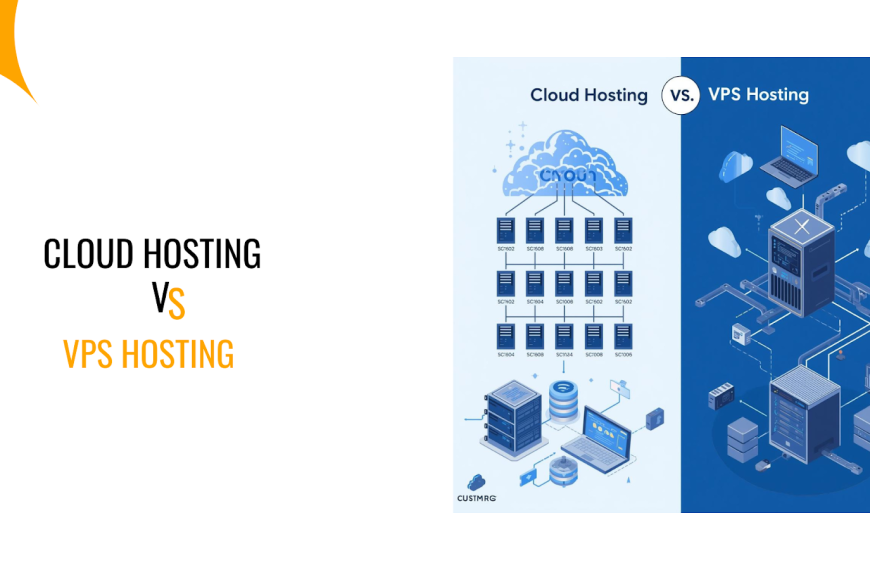
Choosing between shared hosting and VPS hosting comes down to understanding how they handle your website’s needs. While both can host a website, the experience, performance, and flexibility are very different.
So, let’s break down the main features to see which one fits your site best.
1) Performance & Resources
In shared hosting, your website shares the same CPU, RAM, and storage with multiple other websites. This means that if another site experiences a traffic surge, your website can slow down.
VPS hosting, on the other hand, gives you dedicated or isolated resources. Thus, your site can handle traffic more reliably, which is particularly important if you’re running a big e-commerce site.
2) Control & Customisation
Shared hosting offers limited control. You work within the tools and settings the host provides, which is sufficient for simple blogs, landing pages, or small business websites.
In contrast, VPS hosting is more flexible. You can choose your operating system, install custom software, adjust server settings, and manage multiple applications. This makes VPS ideal for complex websites, e-commerce stores, or custom development projects.
3) Scalability & Growth
Shared hosting is fine for small websites, but it has growth limits. For instance, if your site begins to attract large traffic, shared hosting may struggle to withstand.
On the other hand, VPS hosting allows you to increase resources such as CPU, RAM, or storage without migrating to a new server, supporting growth smoothly.
4) Security & Reliability
Shared hosting carries higher risks because multiple sites share the same environment. In other words, vulnerabilities on one site could affect others. That is unlike VPS hosting, which provides better isolation, reducing risks and improving uptime.
5) Cost & Complexity
Shared hosting wins on affordability and simplicity. Therefore, for small projects, blogs, or local business websites in Dar es Salaam, shared hosting is the most practical choice. VPS hosting, on the other hand, costs more and may require technical knowledge or management. However, the extra cost is worth the extra power and flexibility you get, especially if your website grows.
VPS hosting vs Shared hosting: Quick Comparison Table
Here is a quick comparison table showing how shared hosting differs from VPS hosting:
| Feature | Shared hosting | VPS hosting |
| Monthly Cost | Low, budget-friendly | Higher, but more value for performance |
| Performance | Variable. May slow under load | Stable, dedicated, or isolated resources |
| Control | Limited | Greater control and customisation |
| Scalability | Limited growth headroom | Flexible, easy to scale |
| Security | Moderate | More secure |
| Best For | Small blogs and new websites with light traffic | Growing sites, e-commerce, and custom apps with high traffic |
What to Consider When Choosing Between Shared Hosting and VPS Hosting
Choosing between shared and VPS hosting isn’t about price or speed. Instead, you need to have a balance of various criteria to be able to choose wisely. For example, here are some key things to inform your decision:
- Traffic and user‑load expectations: If your website only expects a few hundred visits per month, shared hosting can handle it comfortably. But if you’re aiming for hundreds of thousands of visitors, or your site uses heavy scripts, a VPS will provide the performance you need.
- Budget and cost structure: Look at what you can afford now and in the future. Consider not only the monthly fees but also the cost of upgrades if your site grows.
- Technical expertise & management: Do you or your team have the skills to manage a VPS? Even managed VPS plans require some technical knowledge. If not, shared hosting keeps things simple and reduces the risk of mistakes.
- Growth potential: Consider whether your website audience in Tanzania or across East Africa is likely to grow. Then, choose a hosting option that allows easy scaling or migration so you won’t be stuck with limitations as traffic increases.
- Performance and user experience: A slow site or frequent downtime can drive visitors away. Thus, if user experience matters to you, opt for a hosting plan that ensures stability and speed.
- Software requirements or customisation needs: If your website requires specific server software, custom modules, or unique configurations, VPS gives the flexibility and control that shared hosting cannot.
Frequently Asked Questions (FAQs)
1) Is VPS better than shared hosting?
Whether VPS is better than shared hosting depends on your website’s needs. For small websites with low traffic, shared hosting is usually enough and more affordable. However, if you expect higher traffic, need faster performance, more control, or better reliability, a VPS is the better choice.
Conclusion
Choosing between shared hosting and VPS hosting shouldn’t cause headaches anymore. Simply, match the right hosting to your website’s traffic, goals, and growth plans.
For small blogs or business sites, shared hosting is a simple, cost-effective way to get online quickly. It’s easy to use, affordable, and sufficient for sites with low traffic.
But if your website aims for higher traffic, regional reach, or requires heavy applications, VPS hosting is the better choice. It offers dedicated resources, greater control, improved security, and the ability to scale as your audience grows.
And once you’ve made up your mind which hosting suite your needs, you need a reliable hosting company in Tanzania like Truehost. Whether you choose shared or VPS hosting, you get fair pricing, reliable local support, and the ability to pay using Tanzanian currency and convenient local payment methods.